better off.
oume, then consuming it would make one or both of them
The second property, MRS = MRT, means that no Pareto improvement can be achieved
by changing Angela's hours of work and hence the amount of grain produced.
If the MRS and MRT were not equal, it would be possible to make both better off. For
example, if MRT > MRS, Angela could transform an hour of her time into more grain
than she would need to get the same utility as before, so the extra grain could make both
of them better off. But if MRT = MRS, then any change in the amount of grain produced
would only be exactly what is needed to keep Angela's utility the same as before, given
the change in her hours.
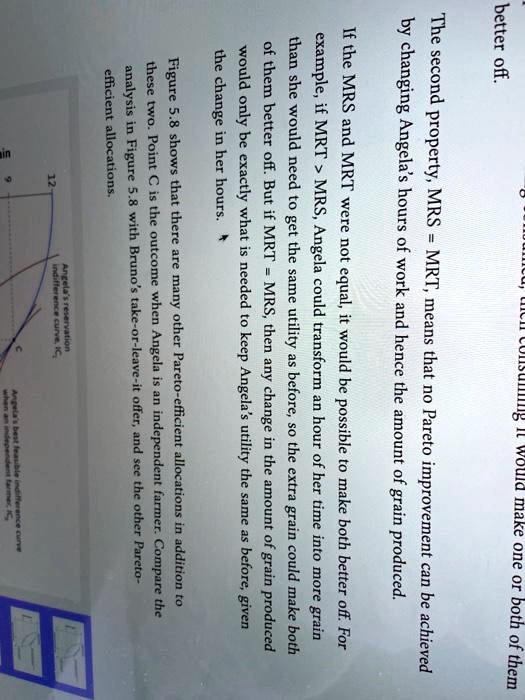
Figure 5.8 shows that there are many other Pareto-efficient allocations in addition to
these two. Point C is the outcome when Angela is an independent farmer. Compare the
analysis in Figure 5.8 with Bruno's take-or-leave-it offer, and see the other Pareto-
efficient allocations.