Ace - AI Tutor
Ask Our Educators
Textbooks
My Library
Flashcards
Scribe - AI Notes
Notes & Exams
Download App
marina mayol

marina m.

Divider

Questions asked

BEST MATCH

Account Dashboard Courses 28 31 Multiple Choice 1.25 points What is consciousness defined as in the lecture? The process of memory formation during sleep The brain's ability to control homeostasis The ability to regulate sleep-wake cycles Our awareness of internal and external stimuli

View Answer
divider
BEST MATCH

psychological continuum and sociability continuum are teo main component from communication style model

View Answer
divider
BEST MATCH

Calculate the pH of: (a) 0.1M HCl; (b) 0.1M NaOH; (c) 3 105 M HNO3; (d) 5 1010 M HClO4; and (e) 2 108 M KOH.

View Answer
divider
BEST MATCH

37. A 63-year-old man is admitted to the intensive care unit after acute respiratory arrest. Mechanical ventilation is initiated. Arterial blood gas analysis shows a PaO2 of 72 mm Hg and FiO 2 of \( 70 \% \). A chest \( x \)-ray shows bilateral diffuse infiltrates. Echocardiography shows a normal ejection fraction. Empiric antibiotic therapy is started. The patient does not improve. Three days later, a biopsy specimen of the lung is obtained; a photomicrograph of a section of the specimen is shown. Which of the following is the most likely cause of the findings in this patient? A. Acute respiratory distress syndrome B. Diffuse alveolar hemorrhage C. Hypersensitivity pneumonitis D. Idiopathic acute eosinophilic pneumonia E. Pulmonary edema from heart failure

View Answer
divider
BEST MATCH

The ATC of production is calculated by: Select one: a. AVC + AFC b. TFC + TVC c. AVC - AFC d. MC + TVC

View Answer
divider
BEST MATCH

A standard central line has a ______ insertion and ends in a ______ location of the body. central, peripheral peripheral, central peripheral, peripheral central, central

View Answer
divider
BEST MATCH

s spontaneous and AG <0 and at high temperature, the reaction is nonspontaneous and AG >0 D) at low temperature, the reaction is nonspontaneous and AG >0 and at high temperature, the reaction is spontaneous and AG < 0 E) at low temperature, the reaction is spontaneous and AG <0 and at high temperature, the reaction is spontaneous and AG >0 4) Which of the following is true for a reaction that has a positive ΔH and a positive ΔS? A) The reaction is always spontaneous. B) The reaction is never spontaneous. C) The reaction is spontaneous at high temperatures. D) The reaction is spontaneous at low temperatures. E) The spontaneity of the reaction depends on the temperature. 5) Which of the following is true for a reaction that has a negative ΔH and a negative ΔS? A) The reaction is always spontaneous. B) The reaction is never spontaneous. C) The reaction is spontaneous at high temperatures. D) The reaction is spontaneous at low temperatures. E) The spontaneity of the reaction depends on the temperature. 6) Which of the following is true for a reaction that has a negative ΔH and a positive ΔS? A) The reaction is always spontaneous. B) The reaction is never spontaneous. C) The reaction is spontaneous at high temperatures. D) The reaction is spontaneous at low temperatures. E) The spontaneity of the reaction depends on the temperature. 7) Which of the following is true for a reaction that has a positive ΔH and a negative ΔS? A) The reaction is always spontaneous. B) The reaction is never spontaneous. C) The reaction is spontaneous at high temperatures. D) The reaction is spontaneous at low temperatures. E) The spontaneity of the reaction depends on the temperature. 8) Which of the following is true for a reaction that has a ΔH = 0 and a ΔS > 0? A) The reaction is always spontaneous. B) The reaction is never spontaneous. C) The reaction is spontaneous at high temperatures. D) The reaction is spontaneous at low temperatures. E) The spontaneity of the reaction depends on the temperature. 9) Which of the following is true for a reaction that has a ΔH = 0 and a ΔS < 0? A) The reaction is always spontaneous. B) The reaction is never spontaneous. C) The reaction is spontaneous at high temperatures. D) The reaction is spontaneous at low temperatures. E) The spontaneity of the reaction depends on the temperature. 10) Which of the following is true for a reaction that has a ΔH > 0 and a ΔS = 0? A) The reaction is always spontaneous. B) The reaction is never spontaneous. C) The reaction is spontaneous at high temperatures. D) The reaction is spontaneous at low temperatures. E) The spontaneity of the reaction depends on the temperature. 11) Which of the following is true for a reaction that has a ΔH < 0 and a ΔS = 0? A) The reaction is always spontaneous. B) The reaction is never spontaneous. C) The reaction is spontaneous at high temperatures. D) The reaction is spontaneous at low temperatures. E) The spontaneity of the reaction depends on the temperature. 12) Which of the following is true for a reaction that has a ΔH = 0 and a ΔS = 0? A) The reaction is always spontaneous. B) The reaction is never spontaneous. C) The reaction is spontaneous at high temperatures. D) The reaction is spontaneous at low temperatures. E) The spontaneity of the reaction depends on the temperature. 13) Which of the following is true for a reaction that has a ΔH > 0 and a ΔS > 0? A) The reaction is always spontaneous. B) The reaction is never spontaneous. C) The reaction is spontaneous at high temperatures. D) The reaction is spontaneous at low temperatures. E) The spontaneity of the reaction depends on the temperature. 14) Which of the following is true for a reaction that has a ΔH < 0 and a ΔS < 0? A) The reaction is always spontaneous. B) The reaction is never spontaneous. C) The reaction is spontaneous at high temperatures. D) The reaction is spontaneous at low temperatures. E) The spontaneity of the reaction depends on the temperature. 15) Which of the following is true for a reaction that has a ΔH > 0 and a ΔS < 0? A) The reaction is always spontaneous. B) The reaction is never spontaneous. C) The reaction is spontaneous at high temperatures. D) The reaction is spontaneous at low temperatures. E) The spontaneity of the reaction depends on the temperature. 16) Which of the following is true for a reaction that has a ΔH < 0 and a ΔS > 0? A) The reaction is always spontaneous. B) The reaction is never spontaneous. C) The reaction is spontaneous at high temperatures. D) The reaction is spontaneous at low temperatures. E) The spontaneity of the reaction depends on the temperature. 17) Which of the following is true for a reaction that has a ΔH > 0 and a ΔS = 0? A) The reaction is always spontaneous. B) The reaction is never spontaneous. C) The reaction is spontaneous at high temperatures. D) The reaction is spontaneous at low temperatures. E) The spontaneity of the reaction depends on the temperature. 18) Which of the following is true for a reaction that has a ΔH < 0 and a ΔS = 0? A) The reaction is always spontaneous. B) The reaction is never spontaneous. C) The reaction is spontaneous at high temperatures. D) The reaction is spontaneous at low temperatures. E) The spontaneity of the reaction depends on the temperature. 19) Which of the following is true for a reaction that has a ΔH = 0 and a ΔS > 0? A) The reaction is always spontaneous. B) The reaction is never spontaneous. C) The reaction is spontaneous at high temperatures. D) The reaction is spontaneous at low temperatures. E) The spontaneity of the reaction depends on the temperature. 20) Which of the following is true for a reaction that has a ΔH = 0 and a ΔS < 0? A) The reaction is always spontaneous. B) The reaction is never spontaneous. C) The reaction is spontaneous at high temperatures. D) The reaction is spontaneous at low temperatures. E) The spontaneity of the reaction depends on the temperature. 21) Which of the following is true for a reaction that has a ΔH > 0 and a ΔS > 0? A) The reaction is always spontaneous. B) The reaction is never spontaneous. C) The reaction is spontaneous at high temperatures. D) The reaction is spontaneous at low temperatures. E) The spontaneity of the reaction depends on the temperature. 22) Which of the following is true for a reaction that has a ΔH < 0 and a ΔS < 0? A) The reaction is always spontaneous. B) The reaction is never spontaneous. C) The reaction is spontaneous at high temperatures. D) The reaction is spontaneous at low temperatures. E) The spontaneity of the reaction depends on the temperature. 23) Which of the following is true for a reaction that has a ΔH > 0 and a ΔS < 0? A) The reaction is always spontaneous. B) The reaction is never spontaneous. C) The reaction is spontaneous at high temperatures. D) The reaction is spontaneous at low temperatures. E) The spontaneity of the reaction depends on the temperature. 24) Which of the following is true for a reaction that has a ΔH < 0 and a ΔS > 0? A) The reaction is always spontaneous. B) The reaction is never spontaneous. C) The reaction is spontaneous at high temperatures. D) The reaction is spontaneous at low temperatures. E) The spontaneity of the reaction depends on the temperature. 25) Which of the following is true for a reaction that has a ΔH = 0 and a ΔS = 0? A) The reaction is always spontaneous. B) The reaction is never spontaneous. C) The reaction is spontaneous at high temperatures. D) The reaction is spontaneous at low temperatures. E) The spontaneity of the reaction depends on the temperature. 26) Which of the following is true for a reaction that has a ΔH > 0 and a ΔS = 0? A) The reaction is always spontaneous. B) The reaction is never spontaneous. C) The reaction is spontaneous at high temperatures. D) The reaction is spontaneous at low temperatures. E) The spontaneity of the reaction depends on the temperature. 27) Which of the following is true for a reaction that has a ΔH < 0 and a ΔS = 0? A) The reaction is always spontaneous. B) The reaction is never spontaneous. C) The reaction is spontaneous at high temperatures. D) The reaction is spontaneous at low temperatures. E) The spontaneity of the reaction depends on the temperature. 28) Which of the following is true for a reaction that has a ΔH = 0 and a ΔS > 0? A) The reaction is always spontaneous. B) The reaction is never spontaneous. C) The reaction is spontaneous at high temperatures. D) The reaction is spontaneous at low temperatures. E) The spontaneity of the reaction depends on the temperature. 29) Which of the following is true for a reaction that has a ΔH = 0 and a ΔS < 0? A) The reaction is always spontaneous. B) The reaction is never spontaneous. C) The reaction is spontaneous at high temperatures. D) The reaction is spontaneous at low temperatures. E) The spontaneity of the reaction depends on the temperature. 30) Which of the following is true for a reaction that has a ΔH > 0 and a ΔS > 0? A) The reaction is always spontaneous. B) The reaction is never spontaneous. C) The reaction is spontaneous at high temperatures. D) The reaction is spontaneous at low temperatures. E) The spontaneity of the reaction depends on the temperature. 31) Which of the following is true for a reaction that has a ΔH < 0 and a ΔS < 0? A) The reaction is always spontaneous. B) The reaction is never spontaneous. C) The reaction is spontaneous at high temperatures. D) The reaction is spontaneous at low temperatures. E) The spontaneity of the reaction depends on the temperature. 32) Which of the following is true for a reaction that has a ΔH > 0 and a ΔS < 0? A) The reaction is always spontaneous. B) The reaction is never spontaneous. C) The reaction is spontaneous at high temperatures. D) The reaction is spontaneous at low temperatures. E) The spontaneity of the reaction depends on the temperature. 33) Which of the following is true for a reaction that has a ΔH < 0 and a ΔS > 0? A) The reaction is always spontaneous. B) The reaction is never spontaneous. C) The reaction is spontaneous at high temperatures. D) The reaction is spontaneous at low temperatures. E) The spontaneity of the reaction depends on the temperature. 34) Which of the following is true for a reaction that has a ΔH = 0 and a ΔS = 0? A) The reaction is always spontaneous. B) The reaction is never spontaneous. C) The reaction is spontaneous at high temperatures. D) The reaction is spontaneous at low temperatures. E) The spontaneity of the reaction depends on the temperature. 35) Which of the following is true for a reaction that has a ΔH > 0 and a ΔS = 0? A) The reaction is always spontaneous. B) The reaction is never spontaneous. C) The reaction is spontaneous at high temperatures. D) The reaction is spontaneous at low temperatures. E) The spontaneity of the reaction depends on the temperature. 36) Which of the following is true for a reaction that has a ΔH < 0 and a ΔS = 0? A) The reaction is always spontaneous. B) The reaction is never spontaneous. C) The reaction is spontaneous at high temperatures. D) The reaction is spontaneous at low temperatures. E) The spontaneity of the reaction depends on the temperature. 37) Which of the following is true for a reaction that has a ΔH = 0 and a ΔS > 0? A) The reaction is always spontaneous. B) The reaction is never spontaneous. C) The reaction is spontaneous at high temperatures. D) The reaction is spontaneous at low temperatures. E) The spontaneity of the reaction depends on the temperature. 38) Which of the following is true for a reaction that has a ΔH = 0 and a ΔS < 0? A) The reaction is always spontaneous. B) The reaction is never spontaneous. C) The reaction is spontaneous at high temperatures. D) The reaction is spontaneous at low temperatures. E) The spontaneity of the reaction depends on the temperature. 39) Which of the following is true for a reaction that has a ΔH > 0 and a ΔS > 0? A) The reaction is always spontaneous. B) The reaction is never spontaneous. C) The reaction is spontaneous at high temperatures. D) The reaction is spontaneous at low temperatures. E) The spontaneity of the reaction depends on the temperature. 40) Which of the following is true for a reaction that has a ΔH < 0 and a ΔS < 0? A) The reaction is always spontaneous. B) The reaction is never spontaneous. C) The reaction is spontaneous at high temperatures. D) The reaction is spontaneous at low temperatures. E) The spontaneity of the reaction depends on the temperature. 41) Which of the following is true for a reaction that has a ΔH > 0 and a ΔS < 0? A) The reaction is always spontaneous. B) The reaction is never spontaneous. C) The reaction is spontaneous

View Answer
divider
BEST MATCH

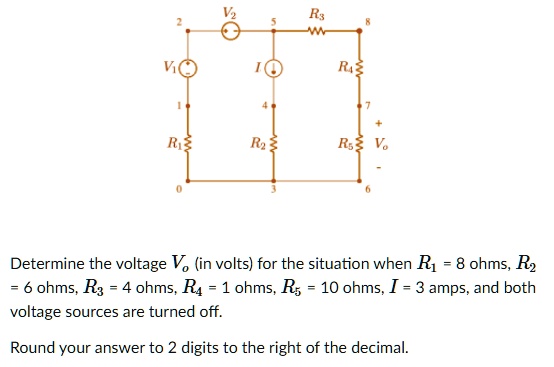
V2 R3 2 5 8 V1 I 1 4 7 + R1 R2 R5 Vo 0 3 6 Determine the voltage $V_o$ (in volts) for the situation when $R_1 = 8$ ohms, $R_2$ $= 6$ ohms, $R_3 = 4$ ohms, $R_4 = 1$ ohms, $R_5 = 10$ ohms, $I = 3$ amps, and both voltage sources are turned off. Round your answer to 2 digits to the right of the decimal.
View Answer
divider
BEST MATCH

The supply curve of good A shifts to the right when the price of good B decreases, if A and B are complements in production. Select one: O True O False

View Answer
divider
BEST MATCH

For the network of the following Fig., the average power delivered to the network is equal to 3 ? $R_3$ 4 ? $I_3$ $X_{C_1}$ $X_{C_2}$ 7 ? $X_L$ 4 ? $R_4$ 3 ? $-V_1 +$ $R_1 = 3 ?$ $Y_T$ $+$ $V_2$ $-$ $R_2 = 7 ?$ $I = 3 A \angle 30^\circ$

View Answer
divider