Benchmark Lifelong Learner
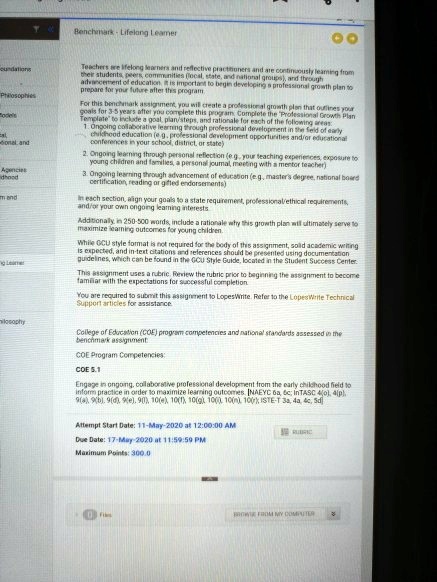
In order to become a benchmark lifelong learner, there are several strategies that can be implemented. These strategies include ongoing collaboration with local and national groups, attending professional conferences, engaging in ongoing learning through personal interests, pursuing further education such as a master's degree or national board certification, and adhering to professional and ethical requirements.
Collaboration with local and national groups is essential for continuous learning. By working with others in the field, individuals can exchange ideas, share best practices, and stay updated on the latest research and trends. This collaboration can take the form of attending conferences, participating in workshops, or joining professional organizations.
Another strategy for ongoing learning is to engage in personal interests. This can involve reading books, articles, or research papers related to the field of early childhood education. It can also involve attending webinars, workshops, or seminars on topics of interest. By pursuing these personal interests, individuals can deepen their knowledge and understanding of specific areas within early childhood education.
Further education is another important aspect of becoming a benchmark lifelong learner. This can include pursuing a master's degree in early childhood education or obtaining national board certification. These advanced degrees and certifications demonstrate a commitment to professional growth and can enhance career opportunities.
Lastly, it is important to adhere to professional and ethical requirements. This includes staying updated on the latest regulations and guidelines in the field of early childhood education. It also involves maintaining a commitment to ongoing learning and professional development.
By implementing these strategies, individuals can maximize learning outcomes for young children. Ongoing collaboration, personal interests, further education, and adherence to professional and ethical requirements all contribute to a comprehensive and effective approach to lifelong learning in the field of early childhood education.